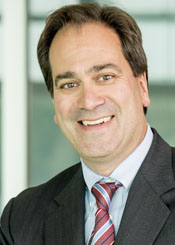

Leonidas Platanias, MD, PhD
Director, Lurie Cancer Center
Dear Friends and Colleagues,
Uniting innovative research and comprehensive cancer care, the Robert H. Lurie Comprehensive Cancer Center of Northwestern is unwavering in its focus on providing exceptional cancer care, powered by extraordinary research. Our goal, every day, is to save and improve lives. As an NCI-designated Comprehensive Cancer Center, our physicians and scientists are driving the development and delivery of next-generation cancer therapies, offering access to cutting-edge treatments through clinical trials, sharing vital information and services in the larger community, and providing the highest level of compassionate care to patients and families across Northwestern Medicine. Our Year in Review highlights the impact of our efforts today, and their power to transform the future.

The Robert H. Lurie Comprehensive Cancer Center of Northwestern University has once again received the National Cancer Institute’s highest possible rating — “exceptional” — along with the competitive renewal of its designation as a Comprehensive Cancer Center.
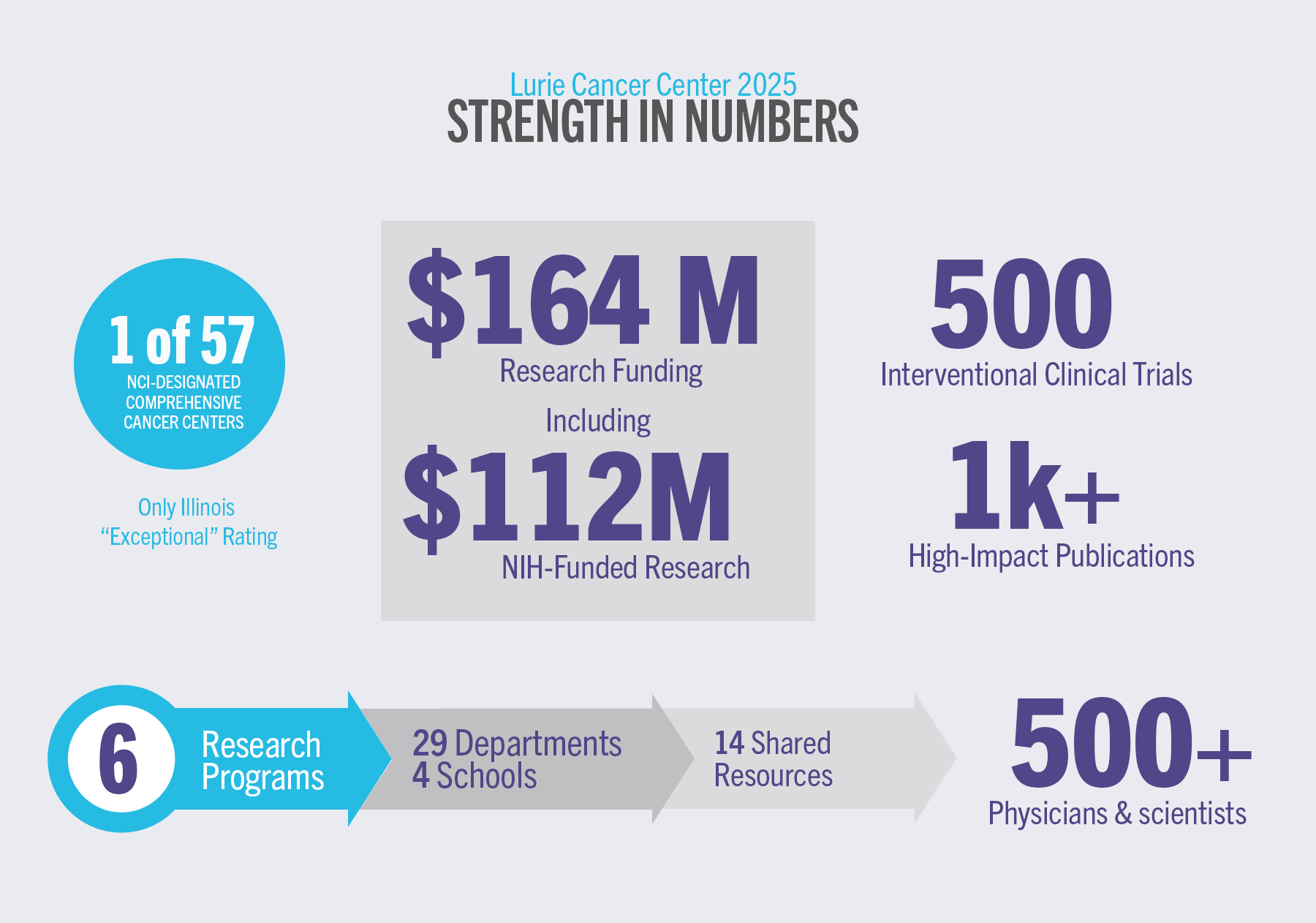
This second consecutive exceptional rating is a very rare achievement, and Lurie Cancer Center is the only Comprehensive Cancer Center in Illinois to ever be rated “exceptional”. The distinction reflects our transformative research and cancer care, our commitment to providing vital education and services, and our collaborative efforts to expand access to novel treatments through clinical trials.
"As a national leader in innovative cancer care, we are developing and delivering the next generation of cancer therapies,” said Leonidas Platanias, MD, PhD, director of the Lurie Cancer Center. "Our physicians and scientists will continue to push the boundaries of what's possible for patients and families across Northwestern Medicine, and, ultimately, impact more lives."
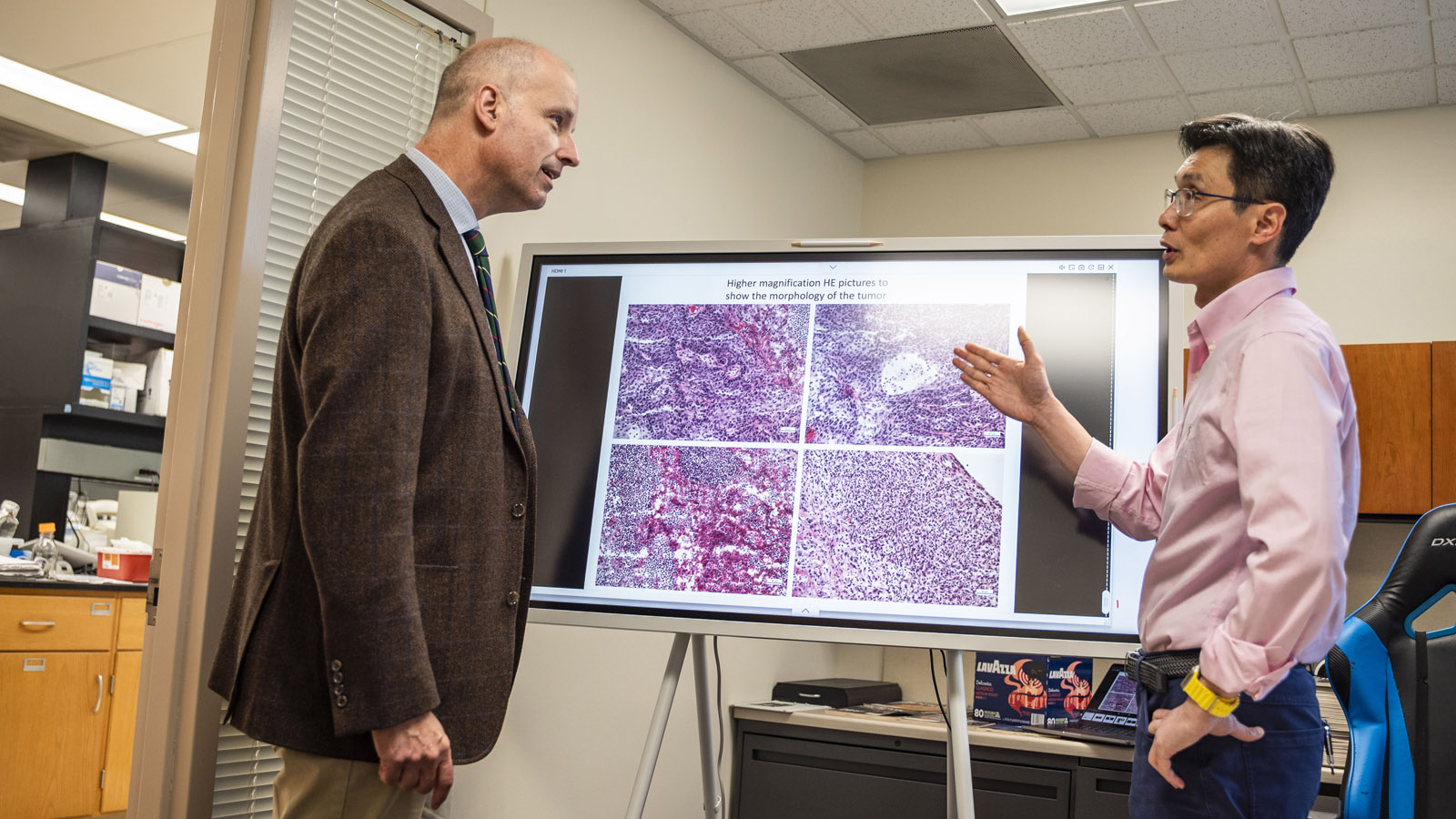
Led by director Leonidas Platanias, MD, PhD, Lurie Cancer Center's world-class leadership team, clinicians, scientists, students, and staff collaborate across disciplines to transform bold ideas into trailblazing treatment approaches and targeted therapies.
Twenty-nine academic departments and divisions across four schools at Northwestern produce groundbreaking discoveries with life-changing impact. In addition to our Basic, Clinical, and Population Sciences Research Programs, Lurie Cancer Center supports a diverse range of innovative research hubs and key initiatives tackling urgent questions to transform outcomes.
The following data help illustrate the impact of our efforts against cancer.
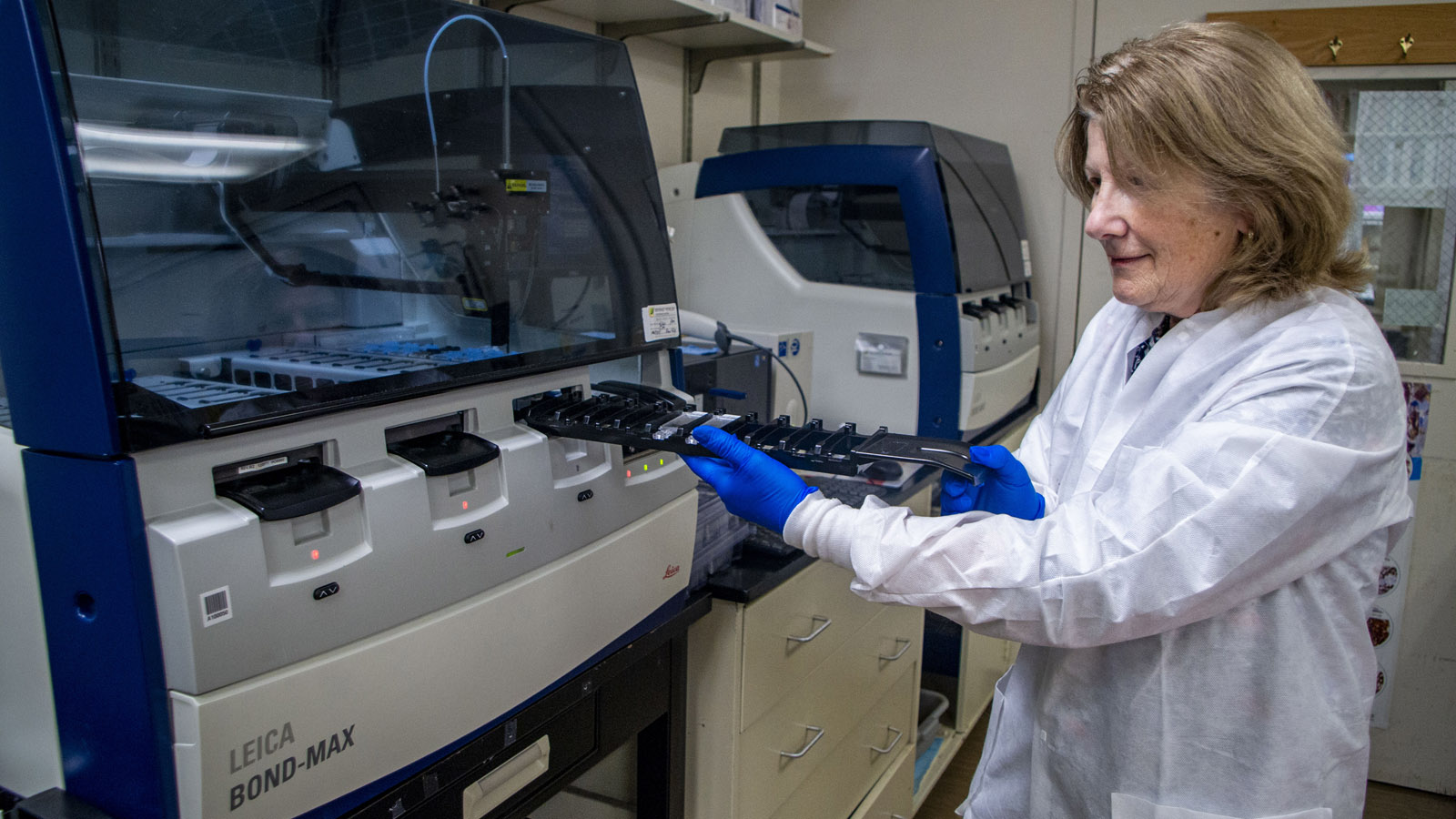
As one of only 32 Lead Academic Participating Sites (LAPS) within the National Clinical Trials Network, Lurie Cancer Center provides scientific leadership in the development and conduct of NCI-funded clinical research. Drawing on their recognized expertise, our members serve as chairs and co-chairs of the NCTN Steering Committees organized to evaluate and prioritize new clinical trials.
The Clinical Trials Office, led by Devalingam Mahalingam, MD, PhD, provides a centralized resource to conduct and coordinate Phase I through Phase III clinical trials, with more than 600 clinical trials providing access to a full spectrum of novel diagnostic and treatment strategies.
Learn more and search cancer clinical trials at Lurie Cancer Center
"We are curing more cancers, and we are extending life for many more people," said Maha Hussain, MD, deputy director of the Lurie Cancer Center. "All of that did not happen accidentally, and it didn’t happen because of wishful thinking. It happened because of clinical trials."
As part of the Big Ten Cancer Research Consortium, a network of academic institutions working together on collaborative clinical trials, we foster a unique team culture to drive science rapidly from ideas to treatment and prevention.
Watch this video about our collaborative clinical trials teams
A cornerstone of the NCI's efforts to promote collaborative, interdisciplinary research, SPORE grants support basic and clinical scientists working together on new and diverse approaches to the prevention, early detection, diagnosis, and treatment of cancer.
Lurie Cancer Center has two NCI-funded SPOREs:
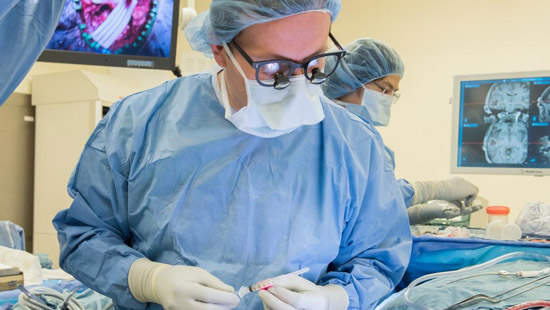
The Lurie Cancer Center Brain Tumor SPORE is led by Maciej Lesniak, MD, Professor and Chair of the Department of Neurosurgery, with projects led by members of the Departments of Neurosurgery and Neurology. It's one of just five in the U.S., and the only one in Illinois.
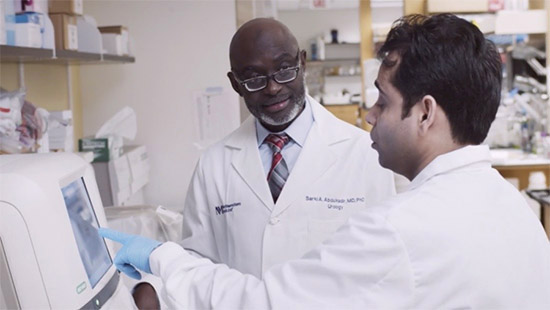
The Lurie Cancer Center Prostate Cancer SPORE is led by co-principal investigators, Sarki Abdulkadir, MD, PhD, Professor of Urology, and Maha Hussain, MD, Professor of Medicine in the Division of Hematology and Oncology. It's one of only eight in the country, and the only one in Illinois.
Our investigators benefit from access to strong infrastructure for interdisciplinary programs and initiatives, including 14 shared resources and facilities that foster basic, clinical and population science research programs.

Our Core Navigator Service can help Northwestern investigators find the equipment, assay, and services they need in Lurie Cancer Center’s Core facilities.
Designed to catalyze interdisciplinary translational research, the goal of our Translational Bridge Program is to propel basic science research into clinical trials and educate a new generation of translational investigators by supporting teams made up of a trainee paired with a laboratory scientist and a clinical investigator.
Across Northwestern, our physicians and scientists are pushing boundaries to transform outcomes for people facing cancer.
Watch this video to see how they're tackling cancer's most urgent challenges.
Explore some of our recent discoveries below, and read more about our high-impact research in the Lurie Cancer Center News Archive.
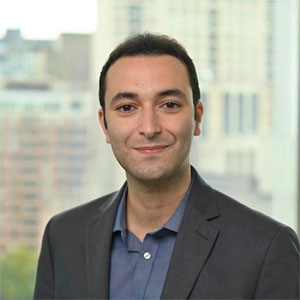
Lurie Cancer Center scientists have uncovered a surprising link between a tiny cellular engine and the way cancer cells build the DNA they need to proliferate.
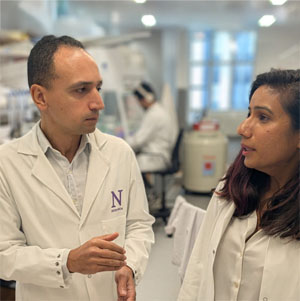
Pancreatic cancer often resists the most advanced immunotherapies. Lurie Cancer Center investigators have uncovered a novel explanation and created an antibody therapy that blocks the "don't attack" signal.
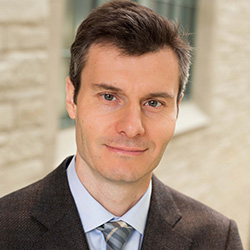
Instead of attacking cancer cells directly, a first-of-its-kind strategy developed by Vadim Backman, PhD, "takes away their superpower — removing their inherent abilities to adapt, to change and to evade."
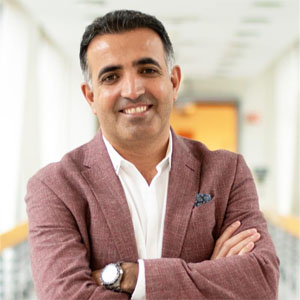
Mazhar Adli, PhD, and collaborators at Lurie Cancer Center have developed a powerful new tool that allows scientists to precisely control protein levels in living cells, offering unprecedented insight into the inner workings of essential genes.
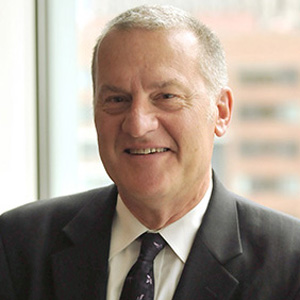
Symptom monitoring using patient-reported outcomes during cancer treatment may improve the overall quality of cancer care, according to David Cella, PhD, co-author of the study published in Nature Medicine.
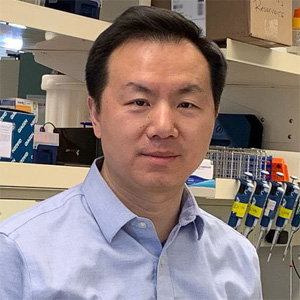
The genetic makeup of glioblastoma tumors shift dramatically across different regions of a single tumor, according to a study by Feng Yue, PhD. Moving forward, his lab will work to identify strategies to alter genome structure to support treatment.
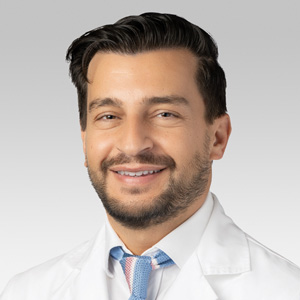
Using deep learning, a research team led by Mohamed Abazeed, MD, PhD, developed an AI tool that not only matches doctors in accurately mapping lung tumors for radiation therapy, but can also identify areas that some doctors may miss.
Lurie Cancer Center's faculty is comprised of clinicians and scientists from Northwestern University Feinberg School of Medicine, McCormick School of Engineering and Applied Sciences, Weinberg College of Arts and Sciences, and other academic units. Together they bring their combined knowledge and expertise directly to our patients at Northwestern Memorial Hospital, Ann & Robert H. Lurie Children's Hospital of Chicago, Shirley Ryan AbilityLab, and the Jesse Brown VA Medical Center.
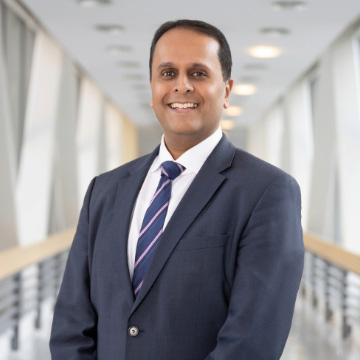
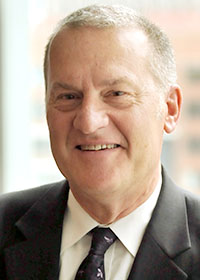
Shishir Maithel, MD / Chief Surgical Officer at Lurie Cancer Center
Leading the coordination and strategic expansion of surgical oncology clinical trials across the Lurie Cancer Center and the Northwestern Medicine Cancer Care Network.
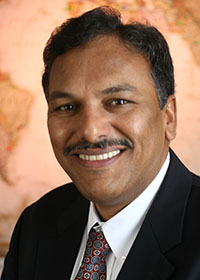
Mohamed Abazeed, MD, PhD / Chair of Radiation Oncology
Leading the advancement of precision cancer therapies and strategic growth of radiation oncology research and clinical care across Northwestern Medicine and the Lurie Cancer Center.

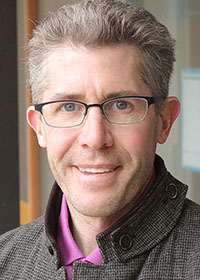
Tara Henderson, MD, MPH / Chair of Pediatrics
Advancing outcomes for childhood, adolescent, and young adult patients through leadership in clinical innovation, cancer survivorship care, research, and multidisciplinary collaboration.
Lurie Cancer Center congratulates our highly innovative thought leaders who are transforming cancer research and treatment around the world. Learn more about some of their recent honors and national leadership roles, including:
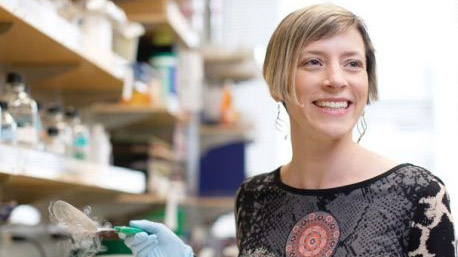 American Association for Cancer Research Early Career Researcher of the Year Award
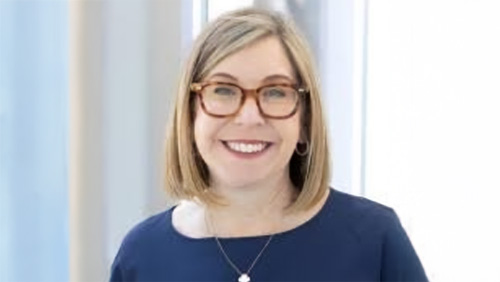 2026 Norman J. Siegel New Member Outstanding Science Award, American Pediatric Society
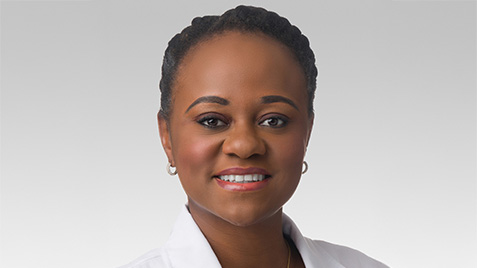 2025 Global Oncology Young Investigator Award (GO YIA) from Conquer Cancer Foundation
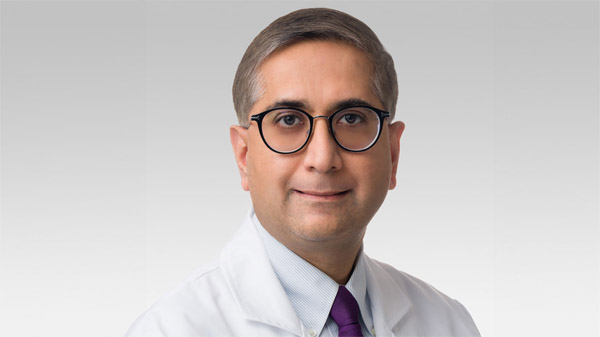 Appointed to endowed professorship:
The Ann Lurie Professorship in Hematology and Oncology
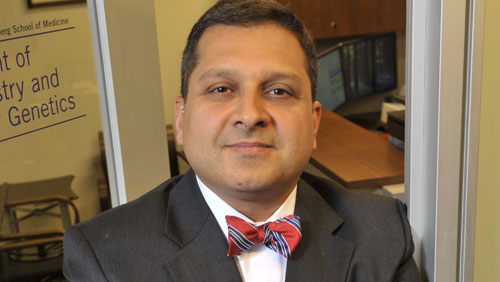 Elected to the National Academy of Sciences
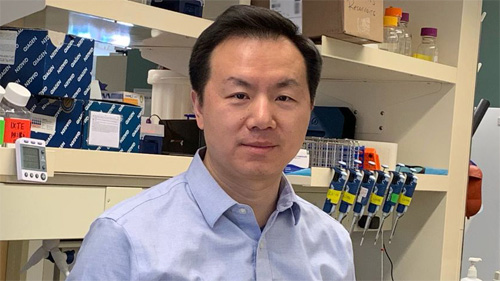 Elected to the 2025 American Institute for Medical and Biological Engineering College of Fellows
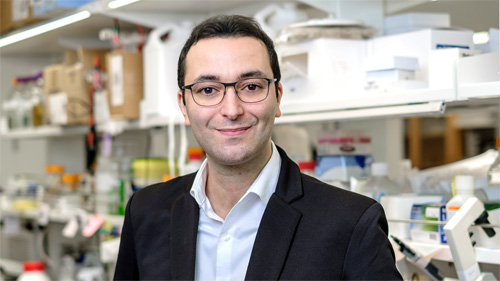 Appointed to endowed professorship:
Thomas D. Spies Professor of Genetic Metabolosm
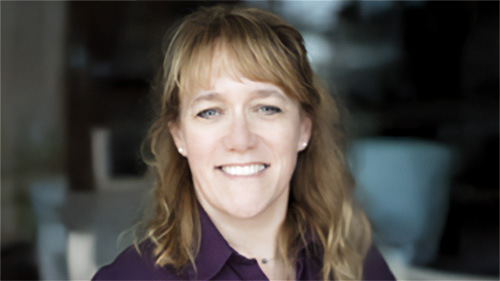 Appointed to endowed professorship:
Hospira Foundation Professor of Translational Cancer Biology
Nine Lurie Cancer Center members were named to the 2025 list of Highly Cited Researchers published by Clarivate Analytics. "Our innovative research teams are driving advances in scientific knowledge and discovery," said Leonidas Platanias, MD, PhD. "I congratulate our highly cited faculty for their global impact against cancer."
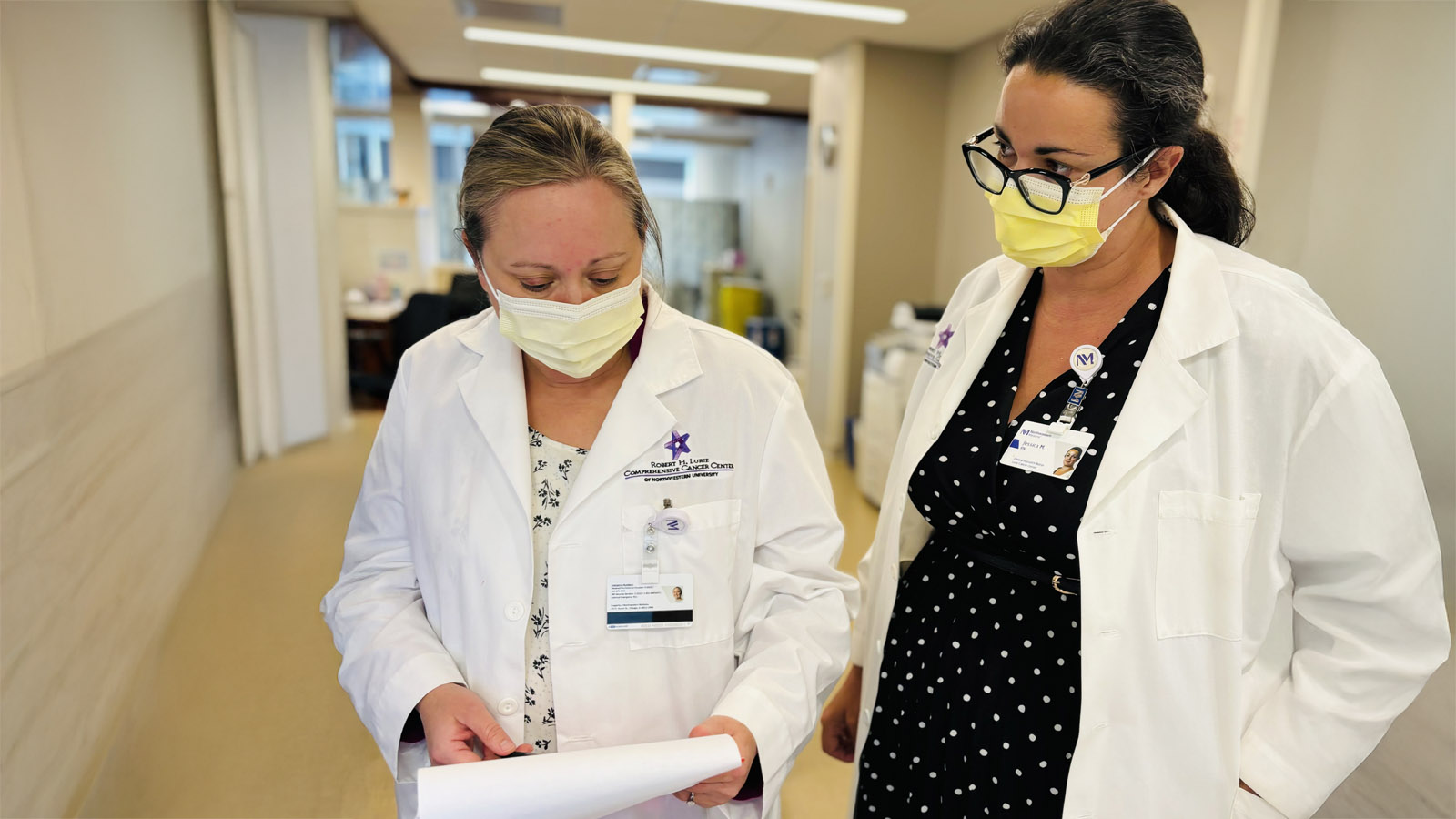
The Lurie Cancer Center at Northwestern Memorial Hospital is dedicated to caring for each patient from diagnosis through treatment to rehabilitation. Our specialists provide the full spectrum of medical, surgical and radiation oncology treatment options, as well as exciting new immunotherapy approaches (including CAR T-cell therapy), precision medicine, interventional radiology, the region's largest stem cell transplant program, and advanced technologies to improve diagnosis and treatment. They continue to extend the reach of emerging cellular therapies that help the immune system fight cancer through the Matthews Center for Cellular Therapy, the Rube Walker Blood Center, and the Clinical Research Unit.
Our comprehensive Supportive Oncology Program and a wide range of specialized programs and services support state-of-the-art cancer treatment and the overall well-being of our patients and families.
View specialized clinical services
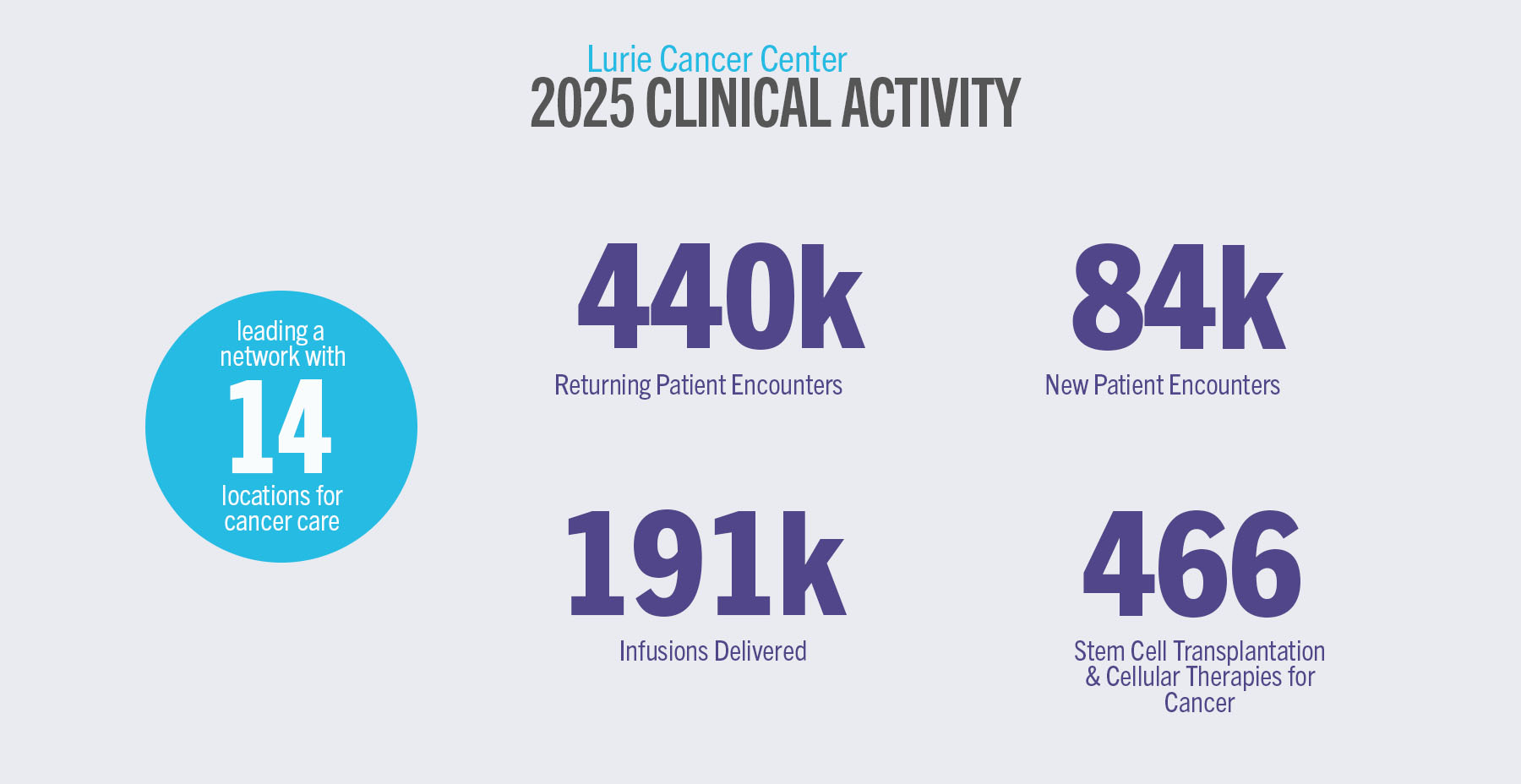
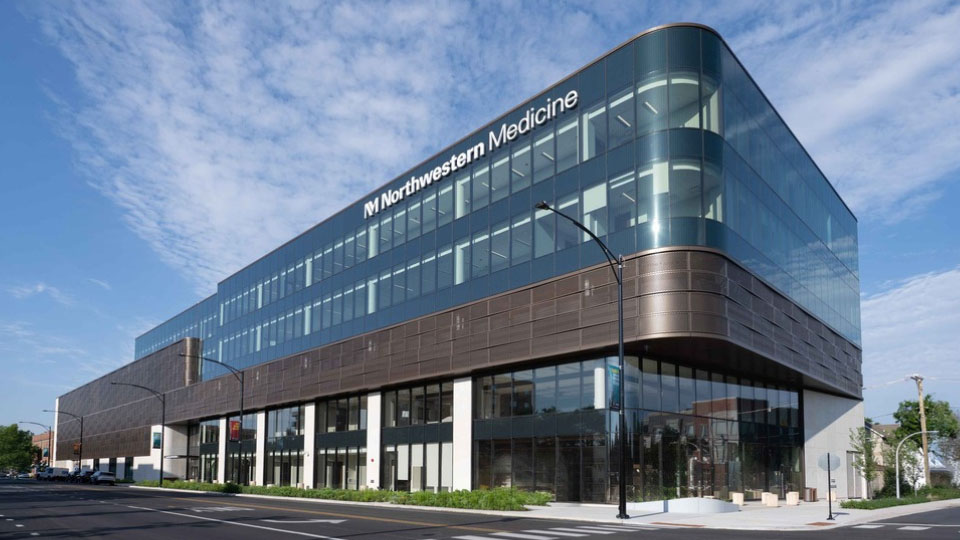
At Lurie Cancer Center, our commitment to delivering seamless, state-of-the-art cancer care extends across Northwestern Medicine. By integrating clinical teams and treatment approaches throughout the Cancer Care Network, we ensure patients receive highly coordinated care and access to innovative therapies—no matter where they enter our health system.
Under the leadership of Leonidas Platanias, MD, PhD, the Clinical Cancer Executive Council continues to guide and strengthen collaboration across the network. Dean Tsarwhas, MD; Christopher George, MD; and Alan Wan, DO, play key roles in advancing the integration of oncology teams across all 14 Northwestern Medicine cancer care locations, including shared clinical trials operations and multidisciplinary Tumor Boards.
In 2025, this commitment expanded to Chicago's South Side with the opening of the Northwestern Medicine Bronzeville Outpatient Center. The new 120,000-square-foot facility includes a cancer center offering chemotherapy and infusion services, helping bring high-quality, academic cancer care closer to home for patients in Bronzeville and surrounding communities.
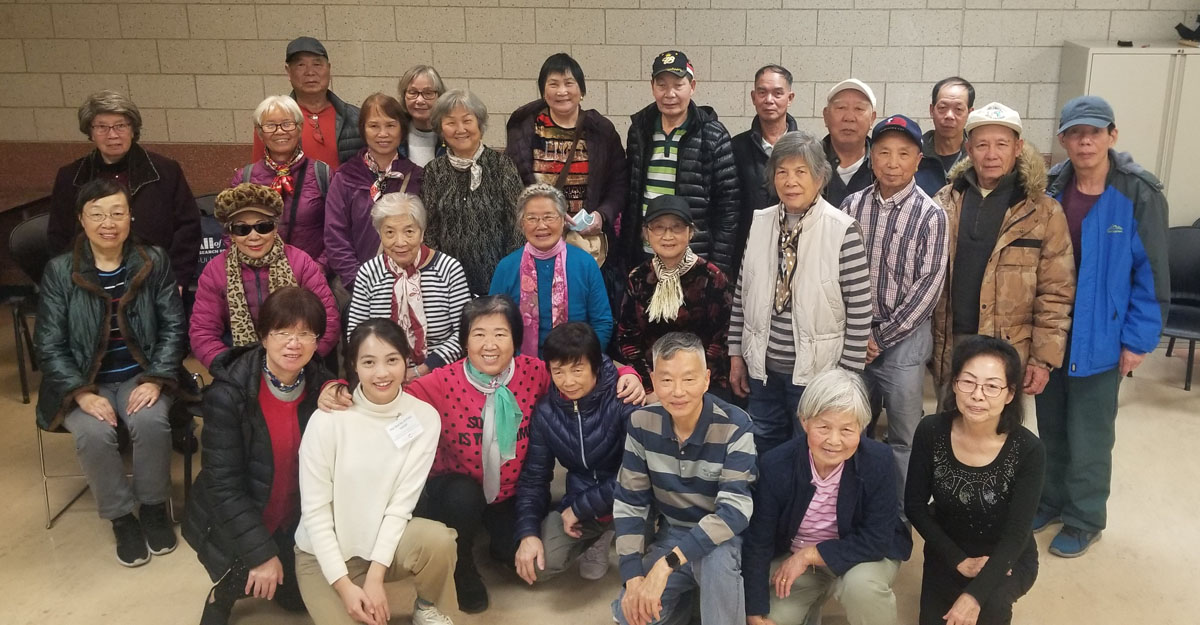
Lurie Cancer Center has a deep and long-standing commitment to advocacy, education, outreach and engagement. Together with our community collaborators, researchers and expanding networks, we are leading initiatives to make a meaningful impact on health and well-being in and beyond the communities we serve.
Our community partnerships benefit from shared priorities and programs to identify and address cancer disparities and improve outcomes in traditionally underserved neighborhoods. Led by Associate Director of Community Outreach and Engagement, Melissa Simon, MD, MPH; Assistant Directors, Christina Barriteau, MD, Marquita Lewis, PhD, and Adam Murphy, MD, MBA, MSCI; and Administrative Director, Tarneka Manning, MEd, Lurie Cancer Center's Office of Community Outreach & Engagement is focused on reducing the burden of cancer in our large and diverse catchment area.
Working together with new and existing community organizations, our efforts include:
Three editions of our community outreach newsletter reflect a deep commitment to advocacy, education, and engagement. Developed in collaboration with community partners and networks, these newsletters highlight initiatives that advance health and well-being in the communities served and beyond.
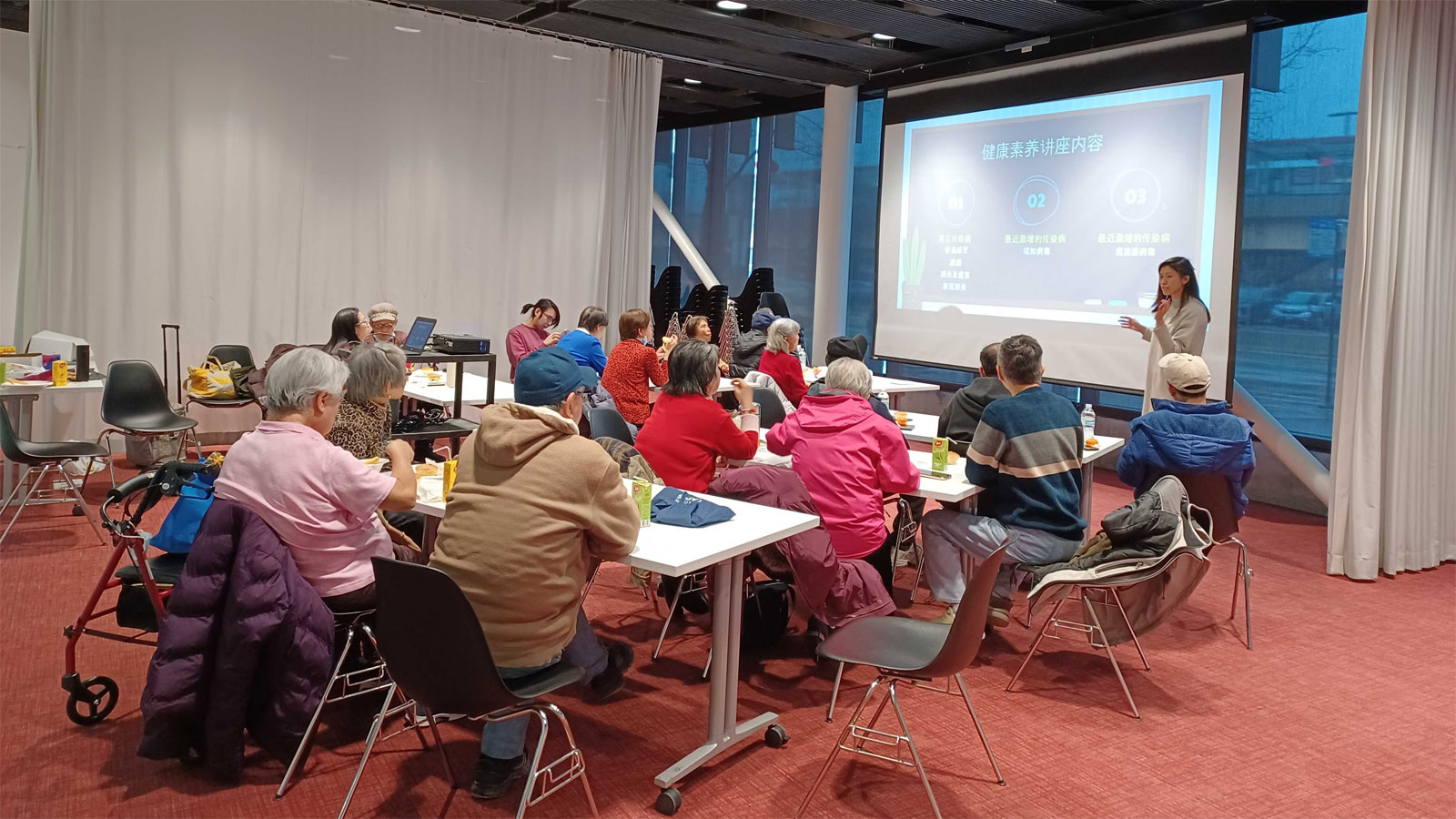
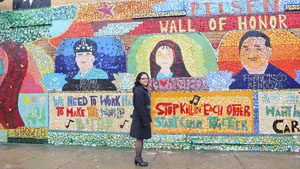
The Chinatown Patient Navigation Program (PN) has entered its PN 2.0 phase, expanding to serve both men and women and supporting all recommended cancer screenings. This next chapter includes innovative approaches such as virtual support to make care even more accessible.
Patient Navigators do far more than translate— they build trust, advocate for patients with providers and insurers, arrange transportation, and guide individuals through a complex healthcare system. Working closely with partners like Chinese American Service League and Coalition for a Better Chinese American Community (CASL) and the Chinese Cancer Support Group, they provide culturally sensitive support that addresses real-life needs and empowers individuals to take charge of their health.
Through PN 1.0 and now PN 2.0, this program demonstrates the power of community-focused navigation to break down barriers and improve outcomes. It's a model for how strong partnerships and dedicated navigators can transform access to care and strengthen the health of an entire community.
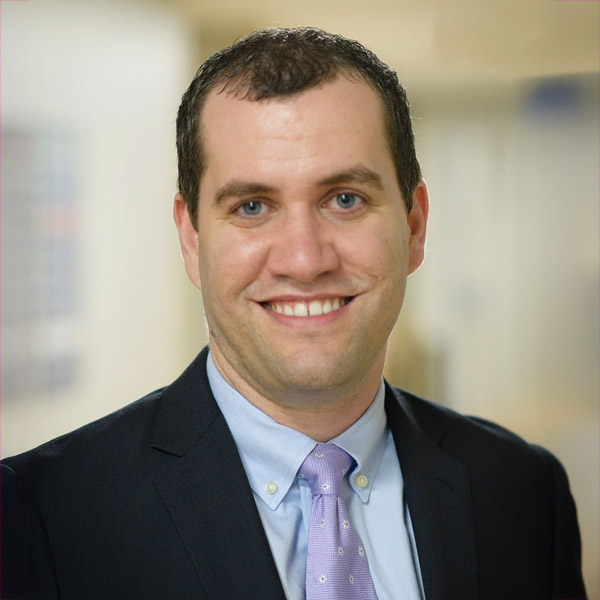
Dr. Dario Roque and the EMPACT Chicago initiative are working to increase participation in clinical trials across Chicago communities, ensuring that more people have access to cutting-edge research that shapes prevention, early detection, and treatment strategies for gynecologic cancers. EMPACT Chicago — supported by Bears Care, the Black Cancer Collaborative, Sisters Working it Out, and ALAS Wings — addresses barriers such as historical mistrust, socioeconomic challenges, cultural differences, and restrictive trial criteria through community outreach, lay navigators, and a centralized trial finder.
EMPACT has recently expanded its reach by adding Spanish and Polish translations on its website, developing a mobile app, and strengthening partnerships with local advocacy groups. These efforts, combined with provider engagement and community events, build trust and ensure that residents have access to up-to-date trial information. By empowering patients to take an active role in their care, EMPACT Chicago is helping ensure that clinical research reflects the diversity of our communities and advances equitable health outcomes.

In 2025, our Community Outreach and Engagement team advanced efforts to address lung cancer—the leading cause of cancer-related deaths in the U.S.—through education and collaboration. A Lung Cancer Town Hall brought together patients, survivors, and experts to discuss screening for high-risk individuals, biomarker testing, clinical trials, and strategies to reduce disparities. The program also featured powerful patient stories, including a double lung transplant recipient who shared her journey from diagnosis to recovery and an opportunity to connect with our partners, Gilda’s Club, American Cancer Society, and American Lung Association
Beyond the Town Hall, we joined statewide initiatives to promote tobacco cessation and expand access to lung cancer screening, including no-cost screenings at Northwestern Medicine Bronzeville. Our outreach extended to media platforms, amplifying awareness and equity messages through:
These efforts reflect our commitment to early detection, reducing disparities, and amplifying patient voices—critical steps toward saving lives and improving outcomes for those at risk of lung cancer.
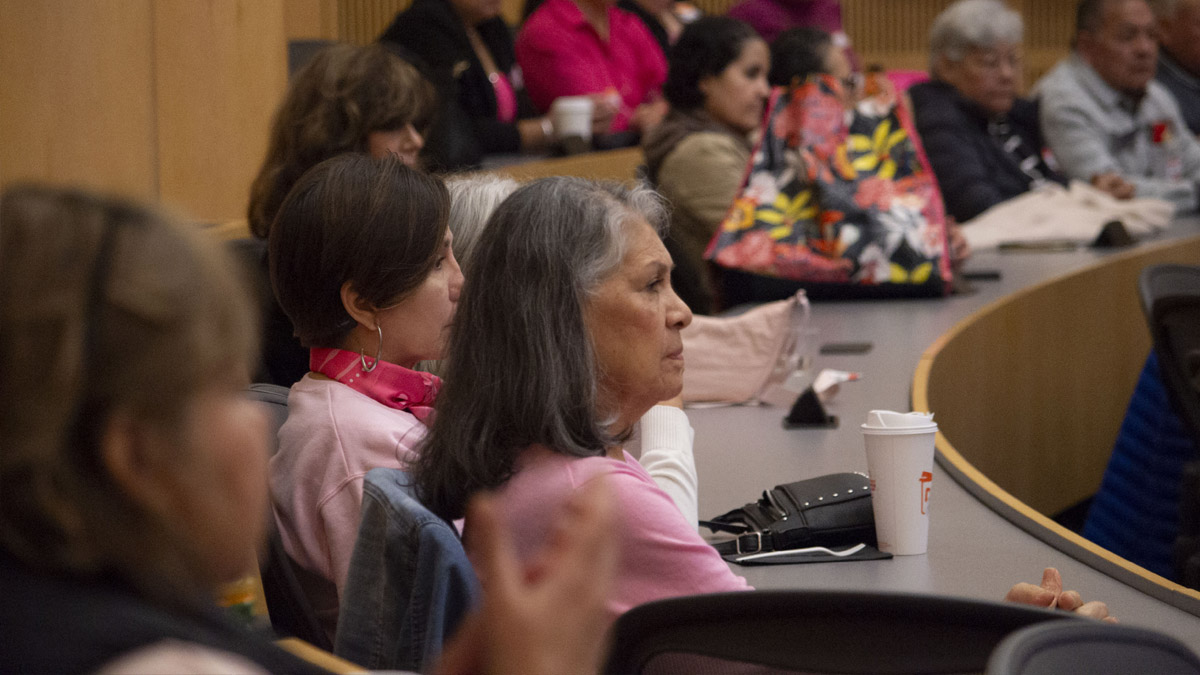
Throughout the year, Lurie Cancer offered a wide range of educational workshops, webinars and interactive opportunities for cancer patients to learn, connect and make informed decisions about their care.
Programs and events included:
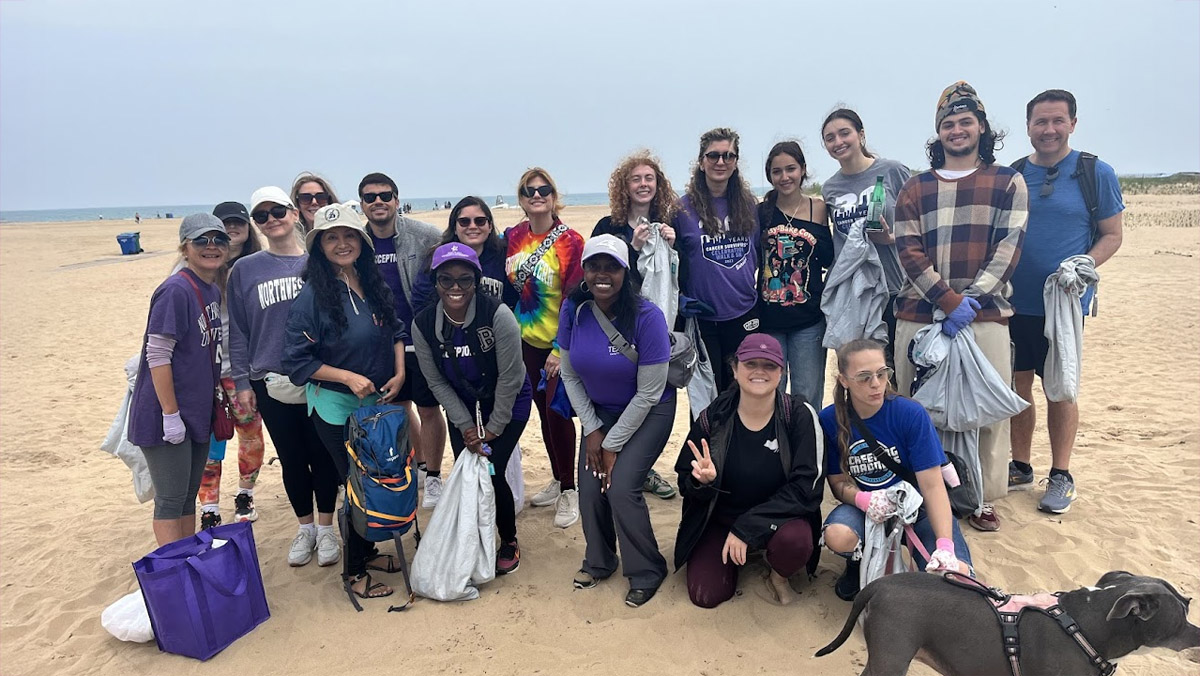
The Pachacamak Foundation and Lurie Cancer Center's Office of Community Outreach and Engagement partnered for a Montrose Beach cleanup, bringing together volunteers, students, and cancer researchers to protect Lake Michigan and advance public health. This collaboration highlighted the link between environmental pollution and cancer prevention, blending Indigenous knowledge with modern science to address an often-overlooked risk: microplastics.
Volunteers collected hundreds of pieces of plastic debris and piloted real-time data collection using the Yaku app, while researchers gathered water and shell samples for ongoing studies on microplastic exposure and its potential role in cancer risk. These efforts demonstrate how community action and scientific research work hand in hand to reduce environmental hazards that impact health. Caring for our water is more than an act of service — it's an act of cancer prevention and a reminder that healing our environment is part of healing ourselves.
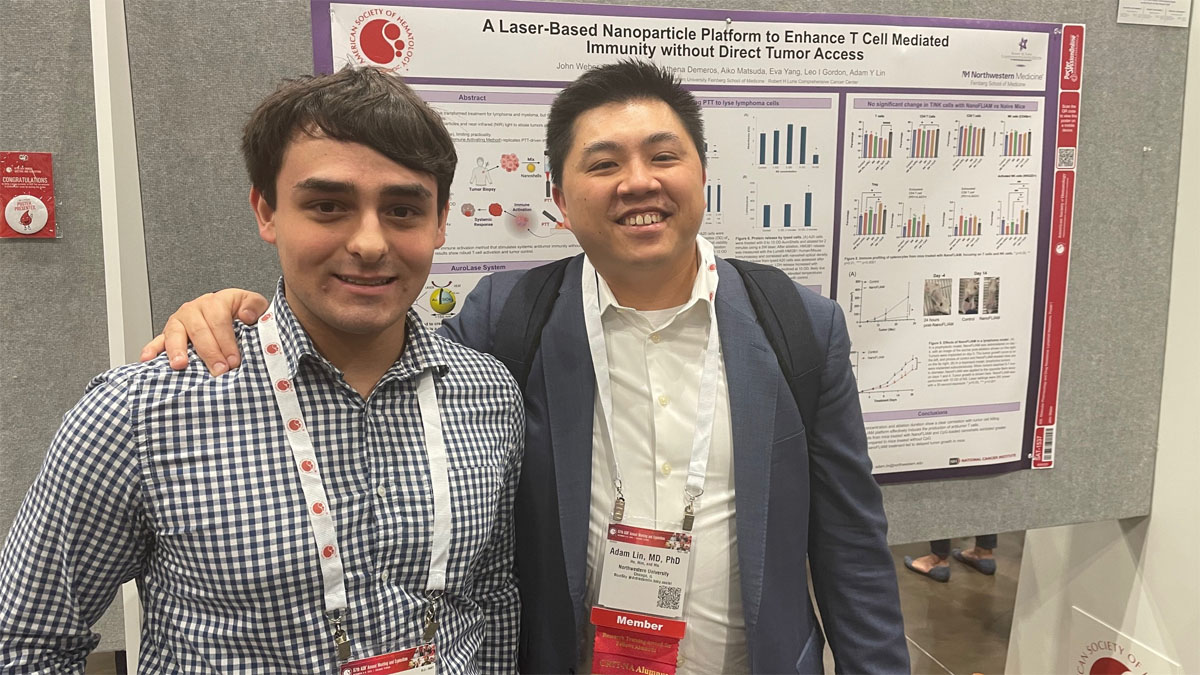
Several Hematology and Medical Oncology Fellows from the Lurie Cancer Center were recognized for their outstanding research at the annual meeting of the American Society of Hematology (ASH), reflecting the strength of our training programs and commitment to mentorship. Timothy Oh, MD, and Kyle Miyazaki, MD, each received ASH Abstract Achievement Awards in recognition of the quality and impact of their work. In addition, Max Kelsten, MD, delivered an oral presentation that was selected for ASH Highlights Around the World, extending the global reach of this research beyond the annual meeting. Further highlighting the center's strong mentorship environment, John Weber, a Northwestern Medicine trainee and junior at Kenyon College, presented research at the meeting under the mentorship of Adam Lin, MD, PhD, and earned an ASH Abstract Achievement Award.
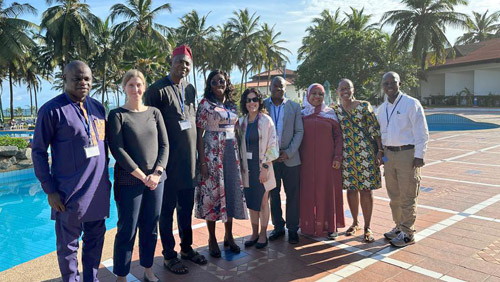
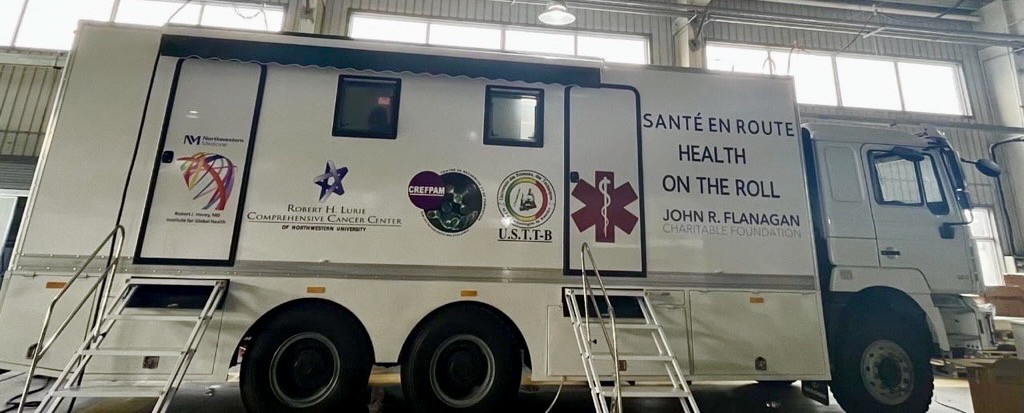 “Health on the Roll” mobile clinics (“Santé en Route” in French) deliver HPV-associated cancer control and screening directly to patients in rural Mali and Nigeria. Staffed by local health workers, these clinics are led by the Lurie Cancer Center's Lifang Hou, MD, PhD, and Mamoudou Maiga, MD, PhD, from the Center for Global Oncology.
Lurie Cancer Center collaborates with institutions and organizations worldwide to advance cancer prevention, treatment and education with projects like this. Our partnerships include:
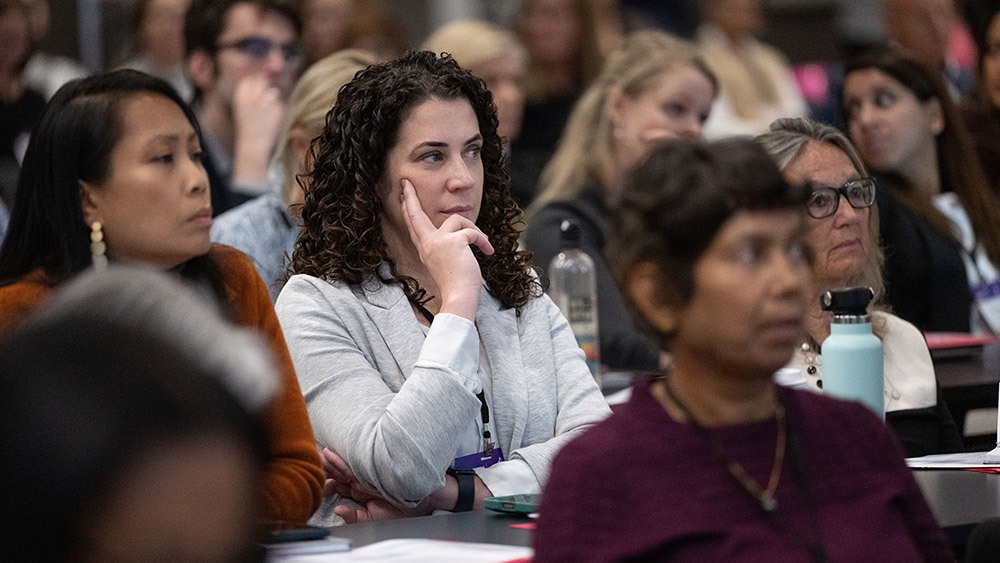
Lurie Cancer Center provides a variety of educational opportunities to advance professional development and training throughout the year. In 2025, 130 distinguished speakers from other academic institutions and over 100 thought leaders from across Northwestern shared expert perspectives and information on innovations in cancer research and treatment.
Educational opportunities included:
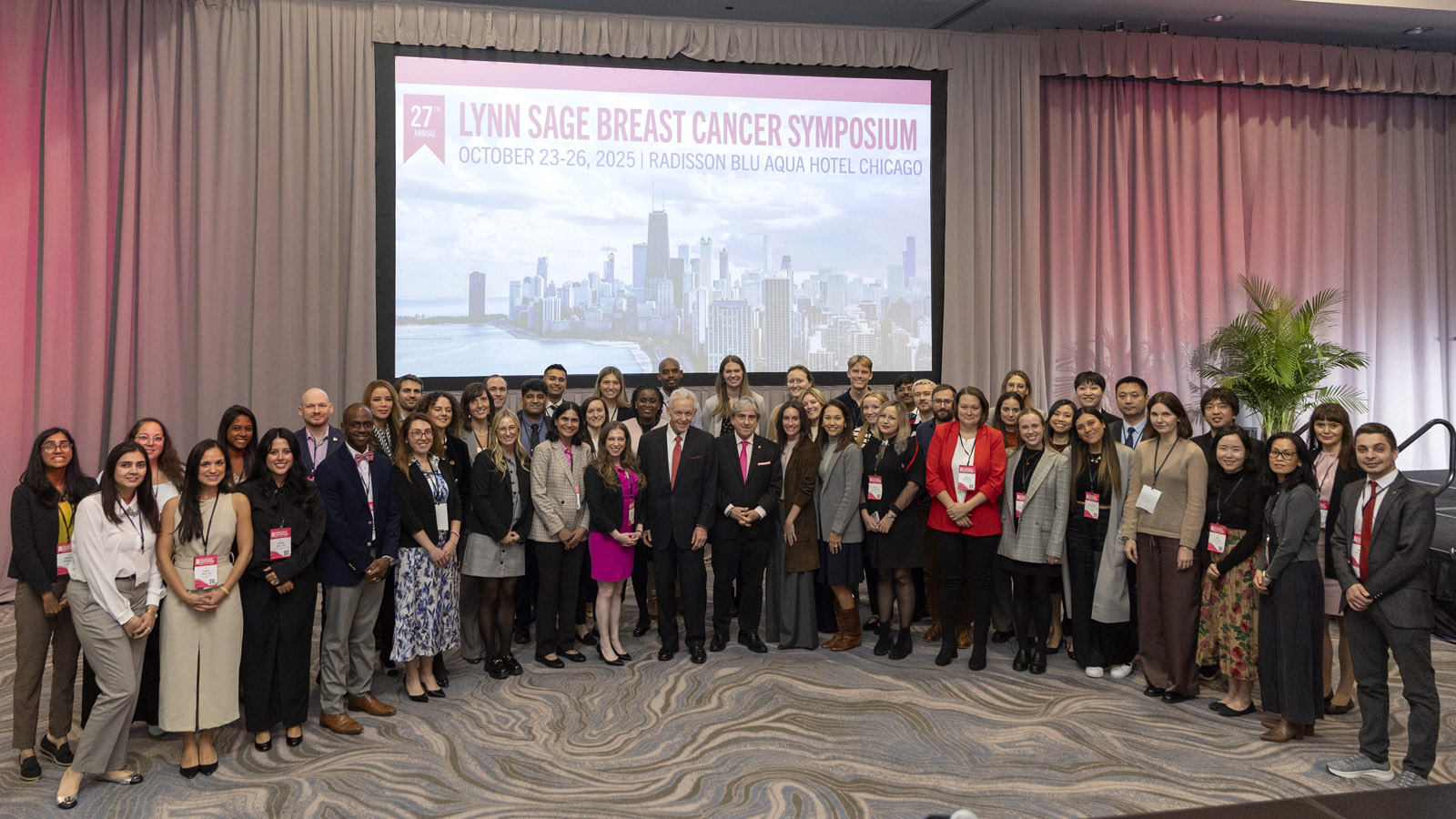
The 27th Annual Lynn Sage Breast Cancer Symposium, hosted by the Lurie Cancer Center, brought together nearly 500 clinicians, researchers, and trainees from around the world to share advances shaping the future of breast cancer care.
Held October 23-25 in Chicago, the symposium featured practice-changing research and multidisciplinary discussions spanning prevention, diagnosis, treatment, survivorship, and emerging technologies. For the first time, representatives from each of Chicago’s 28 Sister Cities were selected to receive the Chicago Sister Cities Medical Initiative Award, highlighting the meeting’s growing global impact and commitment to developing early-career leaders.
Through longstanding partnerships with the Lynn Sage Breast Cancer Foundation and Chicago Sister Cities International, the symposium continues to serve as a global platform for collaboration and innovation in breast cancer research and care.
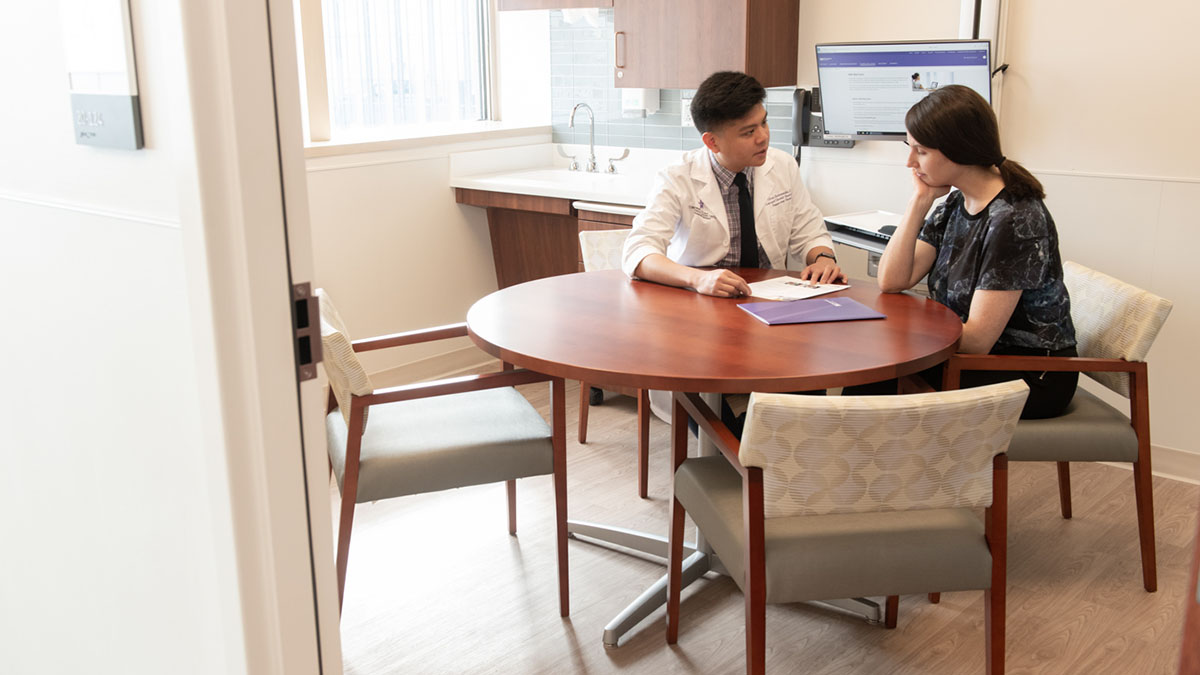
Our Supportive Oncology Program provides emotional and practical support for Lurie Cancer Center's patients and families coping with the challenges of diagnosis, treatment and recovery. A multidisciplinary team, including oncology social workers, psychologists, dietitians, a fertility preservation navigator, palliative care clinicians, adolescent and young adult (AYA) cancer navigators and tobacco treatment specialists, is dedicated to listening and responding to patient concerns, promoting well-being and treating each individual with respect and compassion.
The Cancer Survivorship Institute helps patients transition to life after cancer with a wide range of services, including treatment summaries, care plans that include steps for follow-up care, and tools to manage the physical and emotional challenges. An evidence-based approach to symptom monitoring was introduced to help connect patients with personalized services and supportive care.
Disease-specific survivorship clinics within the Cancer Survivorship Institute include the Lynn Sage Breast Cancer Survivorship Program, as well as Lurie Cancer Center’s Adolescent & Young Adult Cancer Program and the STAR Program (Survivors Taking Action and Responsibility) for adult survivors of childhood cancer.
This year marked a critical milestone for the AYA Cancer Program as the team successfully integrated services into all 14 NMCN satellite locations. This systemwide implementation is the first step in providing more equitable access to leading-edge AYA cancer care throughout the larger Chicago metropolitan area. The AYA team worked strategically on both provider and patient education and outreach across these sites, to build awareness of the needs of AYAs with cancer as well as programmatic offerings. Since integration, the AYA Team has facilitated outreach to nearly 2,000 AYAs demonstrating the feasibility and impact of a scalable, clinically integrated AYA care model across a diverse cancer network.
Since its inception, the Northwestern Adolescent and Young Adult (AYA) cancer program has endeavored to unite a multidisciplinary team of providers, researchers, and advocates with aims of providing developmentally appropriate programs and services to address the unique needs of young people diagnosed between the ages of 15 and 39 years of age. Historically, the program has served AYAs in downtown Chicago, striving to provide standardized care as outlined in the National Comprehensive Cancer Network practice guidelines for AYA Oncology. However, nearly 49% of AYAs with cancer cared for within the larger Northwestern Medicine Cancer Network (NMCN) are treated outside the downtown academic medical center.
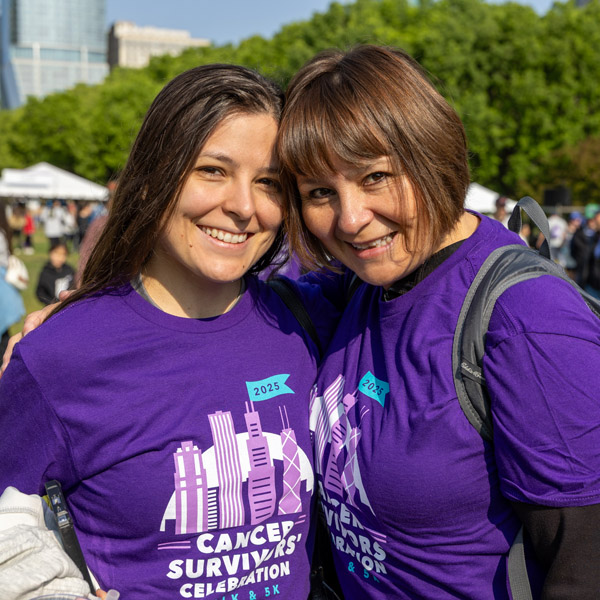 On Sunday, June 1, our 32nd Annual Cancer Survivors' Celebration Walk & 5K brought together more than 3,500 cancer survivors and supporters in Grant Park to connect as a community, celebrate milestones, and change the future of cancer care. Through the generosity and commitment of our fundraising teams, donors and sponsors, this year's event raised a record-breaking $480,000!
Our signature event is a "unique opportunity to celebrate the victories, both big and small, and to look toward the future with determination," said Leonidas Platanias, MD, PhD, as he welcomed participants on National Cancer Survivors Day. "It is also a call to action. While we are making great strides, our focus on lifesaving research and innovative cancer care never wavers." We can't wait to celebrate with you Sunday, June 7, 2026!
As we reflect on a year of milestones and discoveries, we are looking forward to new opportunities made possible through the shared commitment of Lurie Cancer Center's members, collaborators across Northwestern University and Northwestern Medicine, and our community of donors, advocates, supporters, and friends.
Fueled by philanthropy, we are empowered to push boundaries, break down barriers, and transform the future of cancer care.
Watch this video to see how our physicians and scientists are saving and improving lives.
Learn about our Campaign for the Future
As a founding member of the National Comprehensive Cancer Network (NCCN), an alliance of leading cancer centers devoted to patient care, research and education, Lurie Cancer Center is defining, improving and facilitating effective and accessible cancer care so all patients can live better lives.
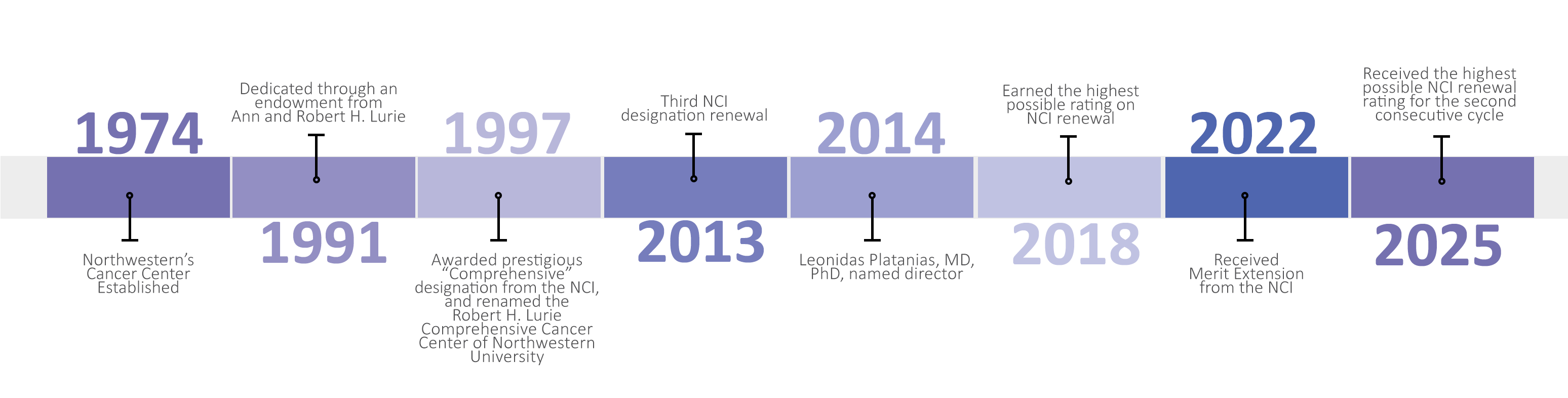
Founded in 1974, Northwestern’s Cancer Center was dedicated in 1991 through a gift of endowment from Ann and Robert H. Lurie.
The title was modified in 1997, when the Robert H. Lurie Comprehensive Cancer Center of Northwestern University received the NCI’s prestigious “Comprehensive” designation, a reflection of our dedication to the highest standards of cancer research, patient care, education, and community outreach.
“Is the Lurie Cancer Center a ‘better place’ for cancer care than it was 30 years ago? Of course. The irony of cancer care is that if you are ‘good’ but not ‘getting better,’ you're not doing your job! And if you operate by this ever-evolving concept of ‘getting better,’ HOPE is a constant.” - Ann Lurie (1945 - 2024)
© Robert H. Lurie Comprehensive Cancer Center
of Northwestern University
cancer.northwestern.edu | cancer@northwestern.edu